

- The Best Company for Custom Beanies for Sports Teams - October 11, 2026
- The Best Custom Apparel for Fraternity Events: A Buyer’s Guide - August 20, 2026
- Band Merch Ideas That Won’t Wreck Your Budget - August 20, 2026
The merch table is one of the biggest revenue sources at a gig. And for smaller brands, it’s often the difference between breaking even and paying out of pocket for gas, rehearsal space, or recording costs.
The challenge is figuring out what people will actually buy. It’s easy to get excited about embroidered jackets, custom skate decks, or premium accessories, but those ideas usually don’t make sense when you’re ordering your first batch of merch with a limited budget.
Thankfully, you don’t need an elaborate merch table to make an impression. A handful of well-designed items that are appropriate for your audience can sell surprisingly well, especially if they’re affordable enough for fans to pick up after a local show.
If you’re trying to figure it out for yourself, here are some of the best band merch ideas for bands that want to make effective yet affordable souvenirs.
Starting with T-Shirts
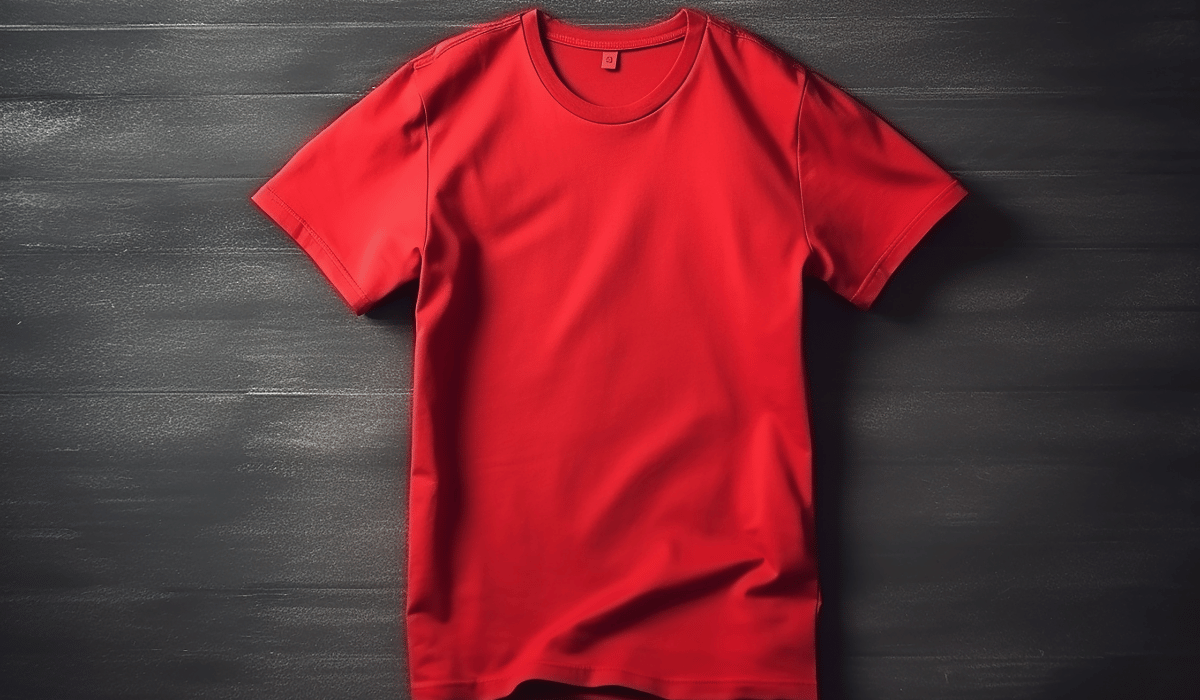
If you only sell one piece of merch, make it a T-shirt. Fans love wearing them, they help get your band’s name out there, and they’re one of the most affordable options to produce when you work with the right printer.
For the first run, avoid overthinking the design. You can go surprisingly simple and still sell well, showing off things like:
- Your band logo
- Album artwork
- Tour dates on the back
- Lyrics from a popular song
- A unique illustration inspired by your music
- A vintage-inspired design that doesn’t look like obvious concert merch
Many fans actually prefer subtle designs they can wear every day instead of oversized graphics that scream “band shirt.” So if your budget allows, consider printing two different designs instead of ordering a huge quantity of one with just your logo. Giving people options increases the odds they’ll find something they genuinely like, such as one with a bold logo design and another with a minimalist pocket-style design.
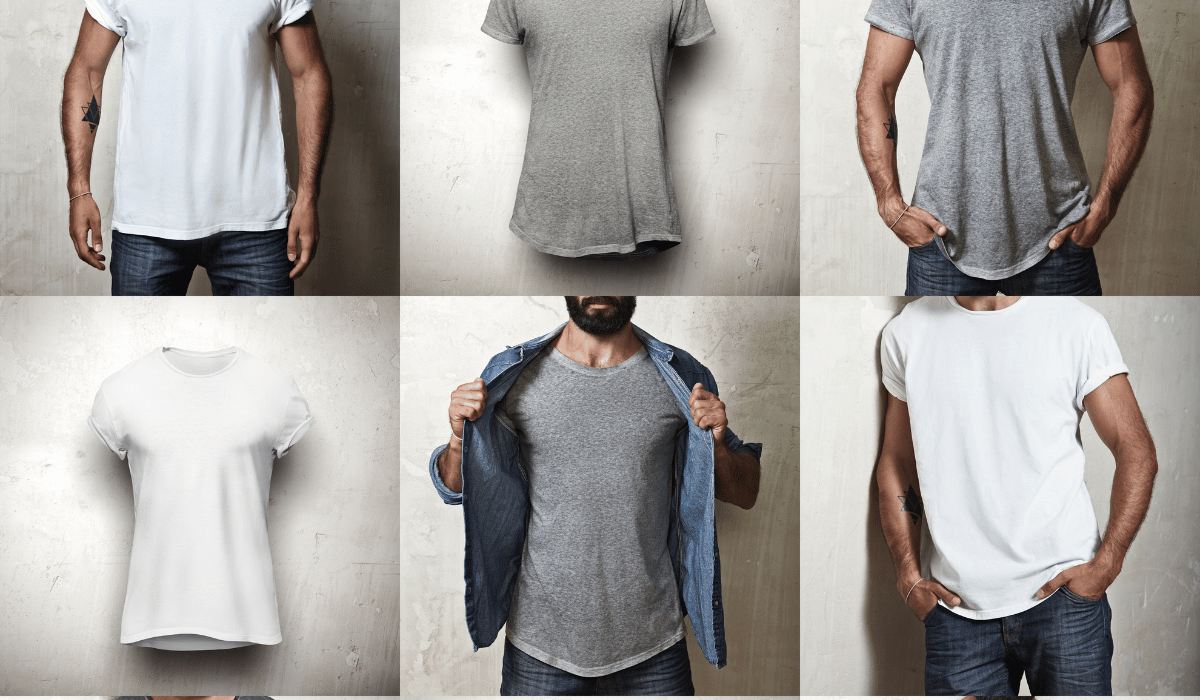
Instead of going for the first standard fit you see, consider the different style options available and what would resonate with your fans most. You don’t just have to order the standard unisex fit; some might love the band’s design but prefer a more tightly fitted or cropped style. Depending on your audience, an oversized boxy tee might be more the vibe.
Going a Step Up

Once you know a design sells as a T-shirt, consider offering it in a few other forms.
Hoodies
Hoodies are a natural next step and tend to sell very well. They also have a higher price point, giving you a chance to earn more from each sale, but this also means they cost more to produce.
If you’re working with a limited budget, start with T-shirts and add hoodies after you’ve had some success at the merch table. Simple designs tend to work best, whether that’s a small chest logo, a large back print, sleeve graphics, tour dates, or album artwork.
Crewnecks
Crewneck sweatshirts are another solid option. Some fans prefer them because they’re easier to layer and have a cleaner, more understated look than a hoodie. If your band’s style leans minimalist or vintage-inspired, a crewneck can be just as appealing.
Long-Sleeve Tees
Long-sleeve tees usually cost less than hoodies while feeling a little more premium than a short-sleeve. They’re especially popular with indie, alternative, metal, hardcore, emo, and shoegaze fans, and sleeve prints can add visual interest without changing the main design.
Tank Tops
Tank tops aren’t a must-have, but they can sell quite well depending on your audience.
They perform especially well for pop punk, metalcore, festival bands, summer tours, and warmer weather concerts. But unless they’re an obvious choice for your fans, tank tops are probably better as a second or third merch release instead of your first order.
Hats
Not everyone likes wearing graphic shirts, but a simple embroidered hat is often low-key enough to persuade some people. Baseball caps, dad hats, and beanies all have loyal audiences depending on your band’s style.
Lower-Priced Extras
Not every fan has the budget for custom apparel, especially at smaller local shows. Including a few lower-cost items gives people another way to support your band without spending as much.
Some popular options include:
- Stickers: Affordable to produce and easy to sell or include with larger purchases. Fans often put them on laptops, water bottles, and other gear, giving your band a little extra visibility.
- Buttons or enamel pins: Small, collectible items that work well for fans who already own a shirt or want an inexpensive keepsake from the show.
- Patches: A favorite among punk, metal, and hardcore fans, patches are a great option if your audience likes customizing jackets or backpacks.
Someone who isn’t ready to buy a shirt may happily pick up a sticker or button, while fans already buying apparel often don’t mind adding a small extra item to their purchase.
Releasing Limited-Edition Merch
One advantage of ordering in small batches is the flexibility to release new designs more often. Instead of keeping the same merch in stock year-round, you can create limited runs tied to a specific event, release, or milestone. Limited-edition merch gives fans a reason to buy now instead of thinking they’ll pick something up next time. It also keeps your merch table feeling fresh, especially if you play local shows regularly and see many of the same faces.
Some ideas include:
- Tour-exclusive shirts
- Album release designs
- Anniversary graphics
- Holiday editions
- Collaborations with local artists or other bands
- Special shirts for hometown shows or festival appearances
Because you’re only printing a small run, you can also be a little more creative with the artwork or garment color than you might with your standard logo shirt.
Make Your Merch Represent Your Music

The best merch usually feels like an extension of the band’s identity. A death metal band and an indie folk group would have very different-looking shirts.
When designing the graphics, think about your overall aesthetic and ask yourself:
- What colors represent your music?
- Would your fans wear this even if they didn’t know your band?
- Does the design match your album artwork?
- Would this fit naturally alongside your social media branding?
Also, remember that huge logos, social media handles, streaming platform icons, and oversized graphics can make shirts feel more like advertisements than clothing. Instead, focus on creating apparel people will want to wear. Many successful bands release designs that barely mention the band’s name, relying instead on memorable artwork or recognizable symbols.
Don’t Order More Than You Can Sell
Years ago, ordering custom apparel often meant committing to large quantities that could sit in boxes for months. Now, you can order custom printed shirts from many vendors at very low minimum order quantities. That makes it much easier to test new designs or create seasonal and limited-edition merch without tying up hundreds of dollars in inventory.
If one design sells out quickly, you can always reorder. That’s a much better problem to have than storing dozens of unsold shirts in someone’s garage.
Finding the Right Custom Apparel Partner
Once you’ve settled on your designs, the final step is finding a printer that fits your budget and order size.
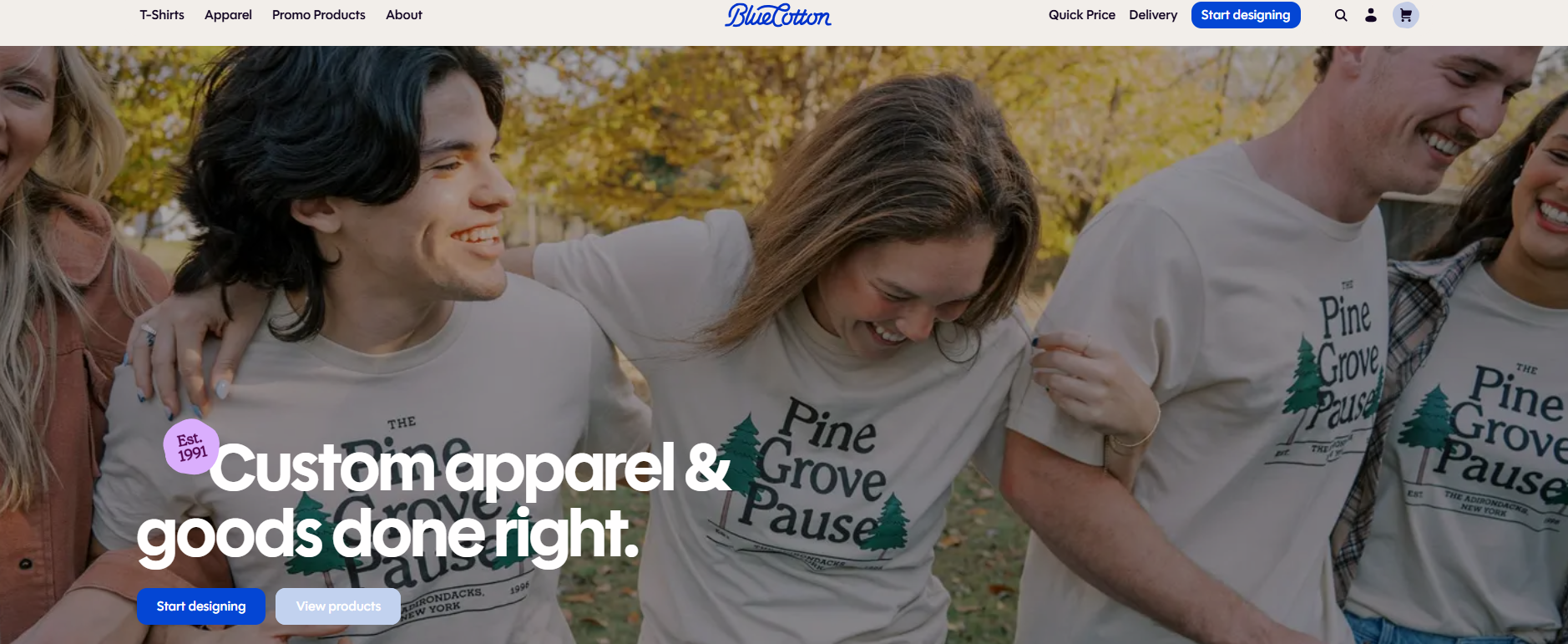
BlueCotton, for example, offers low minimum orders of six pieces, in-house screen printing and embroidery, and a wide selection of apparel including T-shirts, hoodies, long sleeves, sweatshirts, and hats. Being able to order as few as six pieces lets you test different designs, sizes, or colors before committing to a larger run, and because everything is printed in-house rather than outsourced, turnaround tends to be faster and you’re dealing with one team from mockup to shipment. It’s a good fit once you have a design you’re reasonably confident in, since you’re paying upfront for physical inventory rather than paying per order as items sell. The per-unit cost also drops the more you order, so it rewards bands that already have a sense of what their fans will buy, and it’s built for the reality of a merch table: You show up with a box of shirts, not a QR code.
As a print-on-demand service, Printful takes the opposite approach: There’s no minimum order at all, nothing gets produced until a fan actually buys it, and it integrates directly with an online store (Shopify, Etsy, Squarespace, and others) so you can list a design, share the link, and let Printful handle printing and shipping per order. The tradeoff is a higher per-unit cost than bulk screen printing, and it’s a weaker fit for selling in person at a merch table, since nothing exists until it’s ordered online.
Plenty of bands end up using both routes: a lean batch of screen-printed shirts for shows, and a print-on-demand store for everything else.
Building a Merch Table That Fans Actually Want to Buy From
Start with one or two things you’re confident in, see what actually sells, and let that tell you what to add next. A merch table that grows a little at a time, based on real feedback from real fans, will almost always outperform one that launched with a dozen products nobody asked for.
But remember that the goal isn’t to build a perfect product line; it’s to give people an easy, affordable way to take a piece of the night home with them.