
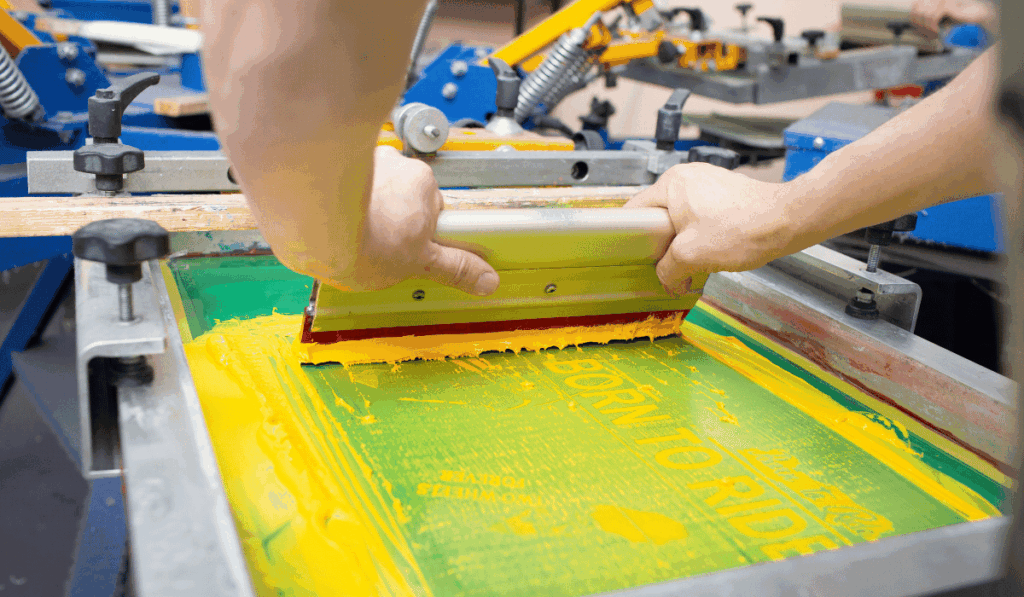

- The Best Company for Custom Beanies for Sports Teams - October 11, 2026
- The Best Custom Apparel for Fraternity Events: A Buyer’s Guide - August 20, 2026
- Band Merch Ideas That Won’t Wreck Your Budget - August 20, 2026
If you are about to place a custom shirt order and wondering whether the print will still look good a year from now, the honest answer is: it depends entirely on the quality of the print and how you care for it.
A well-made screen print on a quality garment can hold up for 50 to 100 washes and lasts 5 to 10 years without significant fading or cracking. Many high-quality prints outlast the shirt itself. But a low-quality print on a thin blank can start showing cracks and fade in a dozen washes.
This guide explains what actually determines how long a screen print lasts, what can go wrong, and what you can do to extend the life of a print you already own.
What Determines How Long a Screen Print Lasts?
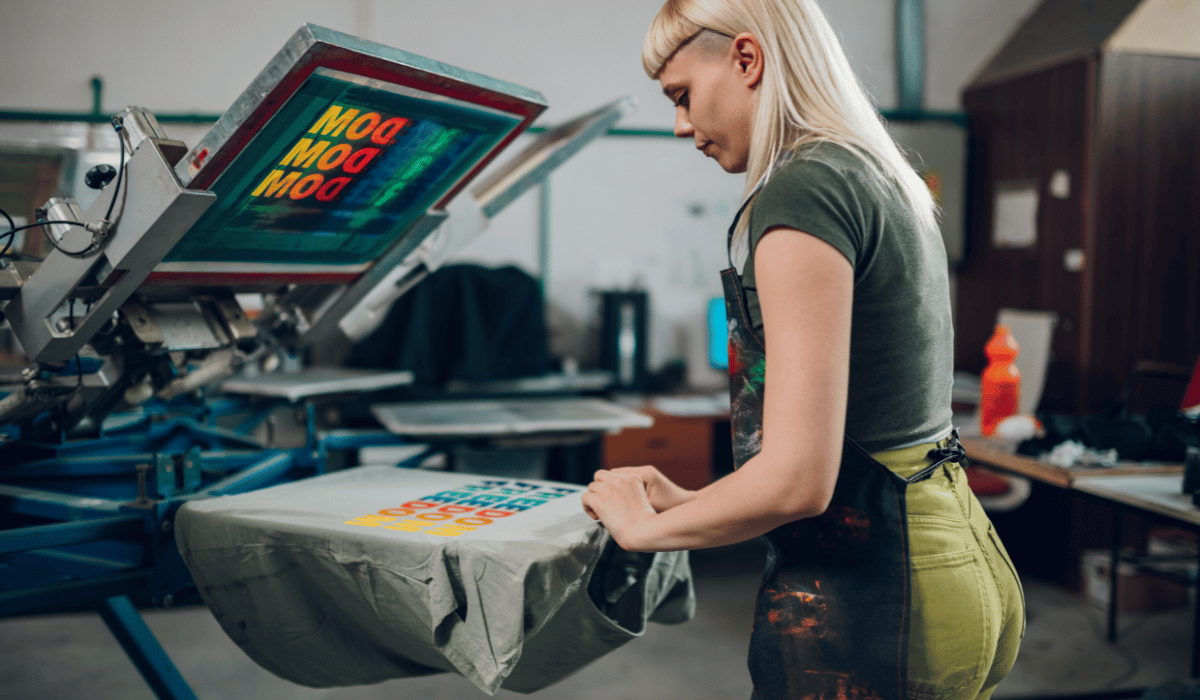
The gap between a print that lasts a decade and one that falls apart in a season comes down to three things: ink quality, the curing process, and the blank garment.
All three are controlled by the printer which is why the vendor you choose matters more than most buyers realize before they place an order.
Plastisol vs. Water-Based Ink: Which Lasts Longer
The industry standard for durable screen printing is plastisol ink. It forms a mechanical bond with fabric fibers and produces bold, opaque coverage that holds up through heavy washing. Plastisol ink is the most common choice in professional screen printing. It is durable and flexible and can survive 50 or more washes and years of wear.
Water-based ink produces a softer feel and a more vintage aesthetic, but they are less durable. Water-based inks can typically survive 20 to 30 washes before fading begins, giving a vintage look after many washes rather than the cracking associated with poor-quality plastisol.
If longevity is your priority, particularly for event shirts, team uniforms, or anything you plan to wear regularly, plastisol on a quality cotton or cotton blend is the combination that holds up best.
Why Curing Temperature Determines Print Durability
Curing is the step that determines whether a print bonds properly to the fabric or starts breaking down after the first few washes. After ink is applied, it must be run through a dryer at a precise temperature, typically around 320℉ for plastisol ink, to fully set.
One of the most common causes of premature wear is under-curing, which happens when the ink is not exposed to enough heat for the right duration. Under-cured ink feels soft or tacky, and it tends to crack or wash out early.
A professional printer using commercial conveyor dryers with temperature controls handles this consistently. A low-cost operation cutting corners on curing time is where prints start failing early. This is not visible when you receive your shirts, which is why print quality checks matter.
How the Blank Garment Affects Print Longevity
The shirt that the print goes on affects how long it lasts. Cotton is the most forgiving fabric for screen printing, but even then, low-quality cotton shirts can pill or shrink in ways that stress the print over time. Polyester and performance fabrics require specialized inks to prevent the print from discoloring or fading. Standard plastisol ink does not bond as well to synthetic fibers.
A 50/50 cotton-polyester blend falls in the middle: better than pure polyester, but not as durable as 100% cotton for screen printing longevity. Quality blank garments from brands like Gildan, Bella+Canvas, and Comfort Colors are standard across professional printers for a reason. They have fabric weight and weave consistency that supports a durable print.
Common Causes of Screen Print Cracking and Fading

Most buyers assume cracking and fading are inevitable. They are not on a quality print. When it happens early, the cause is almost always one of these:
Under-Cured Ink
The most common production failure. If the ink did not fully reach curing temperature during production, it bonds incompletely and begins to crack or peel within the first several washes. There is no way to fix this after the fact.
Low-Quality Ink
Budget inks lack the flexibility and pigment stability of professional-grade plastisol. They may look fine when the shirt arrives but degrade quickly with washing and wear.
Washing in Hot Water
Heat breaks down the bond between ink and fabric over time. Hot water washing is one of the fastest ways to shorten the life of an otherwise good print.
Drying on High Heat
High dryer temperatures stress both the fabric and the ink. Repeated high-heat drying accelerates wear and can contribute to cracking on prints that are otherwise fine.
Thin or Low-Quality Blanks
A shirt that shrinks unevenly, pills, or loses its shape puts mechanical stress on the print. The design tends to crack at points where the fabric distorts.
How to Wash Screen-Printed Shirts to Make Them Last Longer
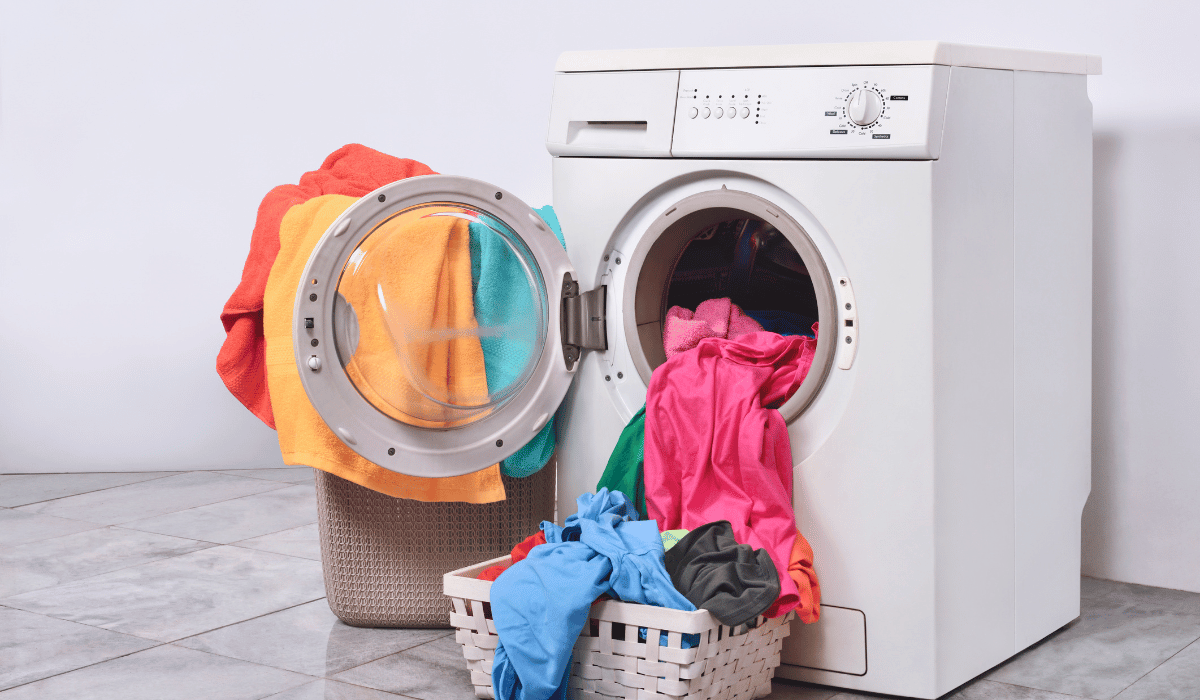
Once you have a quality print in hand, how you care for it is the main variable you control. If you got your shirts from a good print shop, the print should last as long as the shirt itself. With a little care, your screen-printed clothes can look great for years. Here are the care practices that extend print life.
Wash Inside Out
This protects the print surface from friction against other garments in the wash cycle. It is the single most effective care step you can take.
Cold Water Only
Cold water is gentler on the bond between ink and fabric. Most care guides from professional printers recommend cold water as the standard for screen-printed garments.
Mild Detergent, No Bleach
Standard laundry detergent is fine. Bleach and fabric softeners that contain solvents can break down the print over time.
Low Heat or Air Dry
Hang drying is the gentlest option. If you use a dryer, low heat extends the life of the print compared to high heat cycles.
Do Not Iron Directly on the Print
If a shirt needs ironing, iron on the inside or use a pressing cloth over the design.
These are not complicated habits. Most of them are already good practice for extending the life of any garment, not just screen-printed ones.
How to Choose a Screen Printer for Long-Lasting Results

The buyer’s job is to care for the shirt properly. The printer’s job is to make sure the print is worth caring for in the first place. When professionally produced and properly cared for, screen printing can last the lifetime of the garment.
Many shirts easily hold up for 50 or more wash cycles without noticeable fading, cracking, or peeling. In most cases, high-quality prints remain vibrant until the fabric itself wears out.
What separates a professional print operation from a low-cost one:
- Ink quality. Professional printers use commercial-grade plastisol inks rather than budget alternatives. The difference in wash performance is significant.
- Curing equipment. Commercial conveyor dryers with temperature control cure the ink evenly across the full print. Inconsistent curing is a common failure point at lower-end operations.
- Quality checks. A printer with a consistent inspection process catches placement errors, color inconsistencies, and under-cured areas before they ship. A printer without one does not.
BlueCotton runs every order through a 9-step quality inspection before it ships, covering design accuracy, ink and color consistency, print placement, and garment condition.
Their production happens entirely in-house at their facility in Bowling Green, Kentucky, which means one team is responsible for the full process from print to final inspection, rather than handing off between vendors.
Screen Print Lifespan: What to Realistically Expect
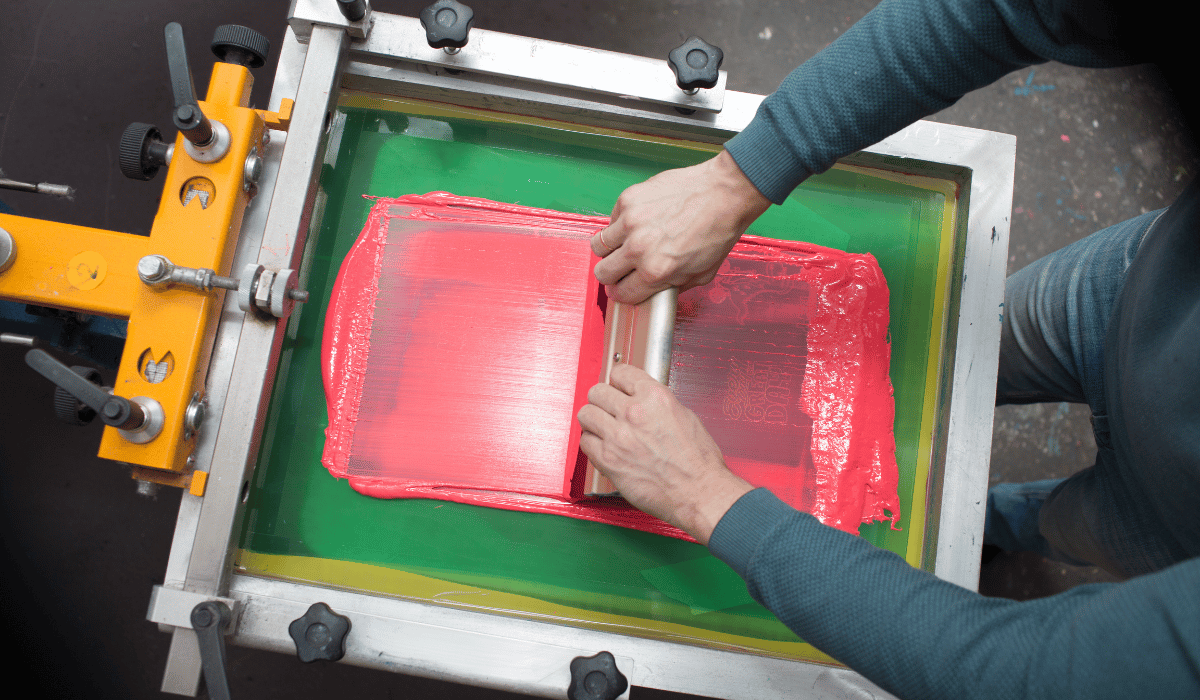
The honest range, based on findings across professional screen printers:
- A high-quality screen print on a quality cotton blank, properly cured with professional-grade plastisol ink, and cared for correctly can last 50 to 100+ washes and 5 to 10 years. Many well-made prints outlast the garment.
- A print that shows early cracking or fading within the first 10 to 20 washes almost always reflects an under-curing or ink quality issue on the production side, not a problem with screen printing as a method.
- A print on a cheap blank may degrade even when the print itself is good, because the garment shrinks, distorts, or wears in ways that stress the design.
If you are ordering custom shirts for an event, a team, or any situation where you want the print to hold up over time, the quality of the printer matters as much as the design.
Ask specifically how they cure their prints, what inks they use, and whether they have an inspection process before shipping.
Key Takeaways: How to Get a Screen Print That Lasts
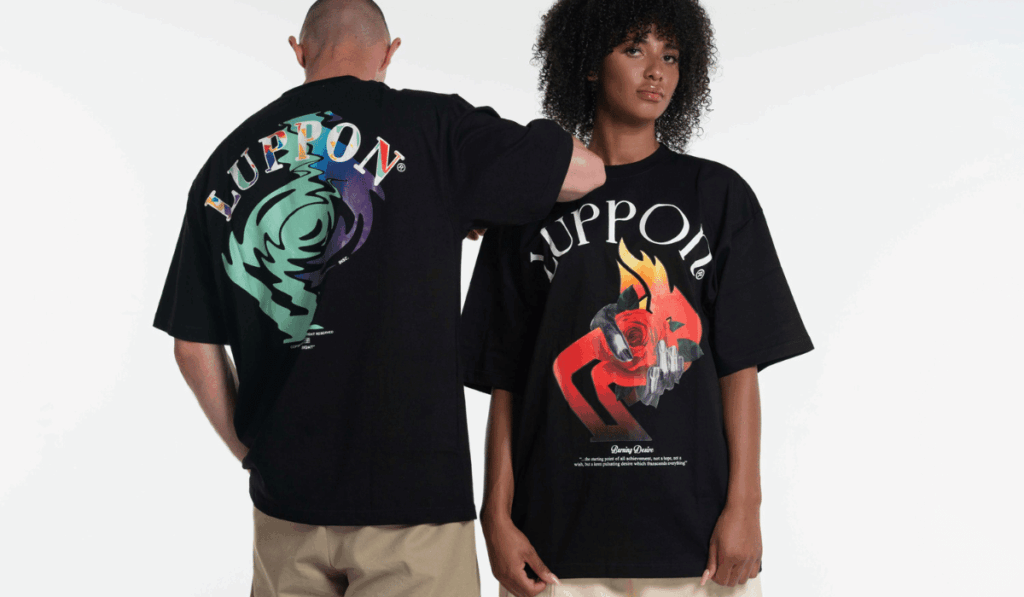
A good screen print lasts a long time, holding up for 50 to 100+ washes and 5 to 10 years without significant fading or cracking. When a print fails early, it’s almost always a production issue, not a sign that screen printing itself is fragile. That means the printer you choose matters just as much as how you care for the shirt afterward.
Before you order, ask your printer:
- What ink do they use? Plastisol holds up best for durability; water-based gives a softer, more vintage look but wears faster.
- How do they cure prints? Look for commercial conveyor dryers with controlled temperature, not shortcuts that lead to under-curing.
- Do they run quality checks before shipping? A consistent inspection process catches placement, color, and curing issues before they reach you.
Once your shirts arrive, protect the investment:
- Wash inside out, in cold water, with a mild detergent.
- Skip the bleach and fabric softeners.
- Air dry or use low heat, and never iron directly on the print.
Get the production side right and follow these care habits, and there’s no reason a screen print shouldn’t outlast the shirt it’s printed on.