

- Brands Similar to Coach If You Want Great Leather (and Less Logo) - October 8, 2026
- 7 Brands Similar to Longchamp If You’re Ready for Something Different - October 8, 2026
- Zilker Belts Review: Is a Handmade Belt Worth the Price? - September 18, 2026
Coach is still one of the easiest places to start when you want a leather handbag without jumping straight into four-figure designer pricing. The brand has been making leather goods for decades, offers everything from smaller shoulder bags to work-sized totes, and still has plenty of styles that are much quieter than the monogram-heavy Coach bags many people remember.
But Coach is far from the only option in this part of the handbag market. Cuyana, Polène, DeMellier, Strathberry, and Clare V. all overlap with Coach in some way, whether that’s leather, everyday practicality, craftsmanship, or price. What changes from brand to brand is the design. Some are much more minimal, while others are more sculptural, structured, or playful. Many show minimal logos or branding on their products. A few move noticeably higher in price, while others stay relatively close to what you might already spend on a leather Coach bag.
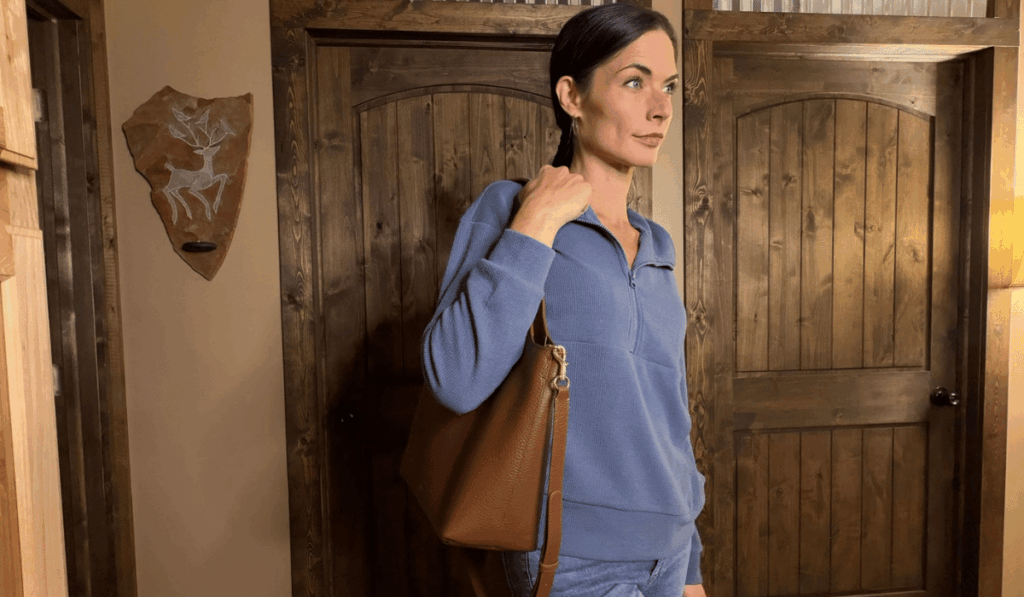
I grew up carrying Coach, including a patchwork tote and one of the classic tan C-pattern shoulder bags. Those bags fit the way I dressed then, but today I’m more interested in simple leather bags that can work with a lot of my wardrobe.
What to Look for Beyond Coach
Coach is a good benchmark because it sells quality leather bags across a range of prices. The Brooklyn Shoulder Bag 28 starts at $295, while the leather Tabby Shoulder Bag 26 is $475. Depending on the style, you’ll find natural grain, glovetanned, and polished pebble leathers.
Leaving Coach doesn’t automatically mean upgrading the leather or quality. It may mean you’re looking for a different design language, more information about where a bag is made, a different approach to organization, or a brand whose overall style fits you better. It’s also worth reading the leather description closely. Calfskin, cowhide, smooth leather, and pebbled leather all age differently. Textured finishes tend to hide small scratches, while very smooth leather usually shows wear faster.
Construction matters just as much. Check the lining, stitching, edges, hardware, and closure. And if you want the bag to last for years, see whether the brand offers repairs or gives clear care instructions.
Then there’s the part that has nothing to do with leather quality:
- Branding: How visible is the branding, and does the brand use logos, hardware, or other recognizable design details?
- Capacity: Will it fit what you carry every day, especially a laptop or tablet?
- Carry: Can it move between shoulder and crossbody carry, or are you committed to one strap?
- Closure: Open top, magnet, and zipper all behave differently once you’re commuting or traveling.
- Organization: Some brands build in compartments. Others give you an open interior and expect you to add pouches or inserts.
Here’s one representative bag from each brand to put the general price and design differences into perspective.
| Brand | Bag to Consider | Current Price | Material | Description |
|---|---|---|---|---|
| Cuyana | Classic Easy Zipper Tote | $328 | Italian leather | Simple leather, roomy capacity, and optional organization |
| Polène | Cyme | $620 | Textured Italian calf leather | Sculptural design and Spanish production |
| DeMellier | Midi New York | $625 | Italian small-grain cowhide leather | Polished styling, European production and repairs |
| Strathberry | Mosaic Bag | $745 | Calf leather | Scottish design, Spanish craftsmanship, and signature hardware |
| Clare V. | Moyen Messenger | $475 | Natural grain leather | Relaxed shapes with a more playful brand personality |
Cuyana: Simple Leather with More Flexibility Built In
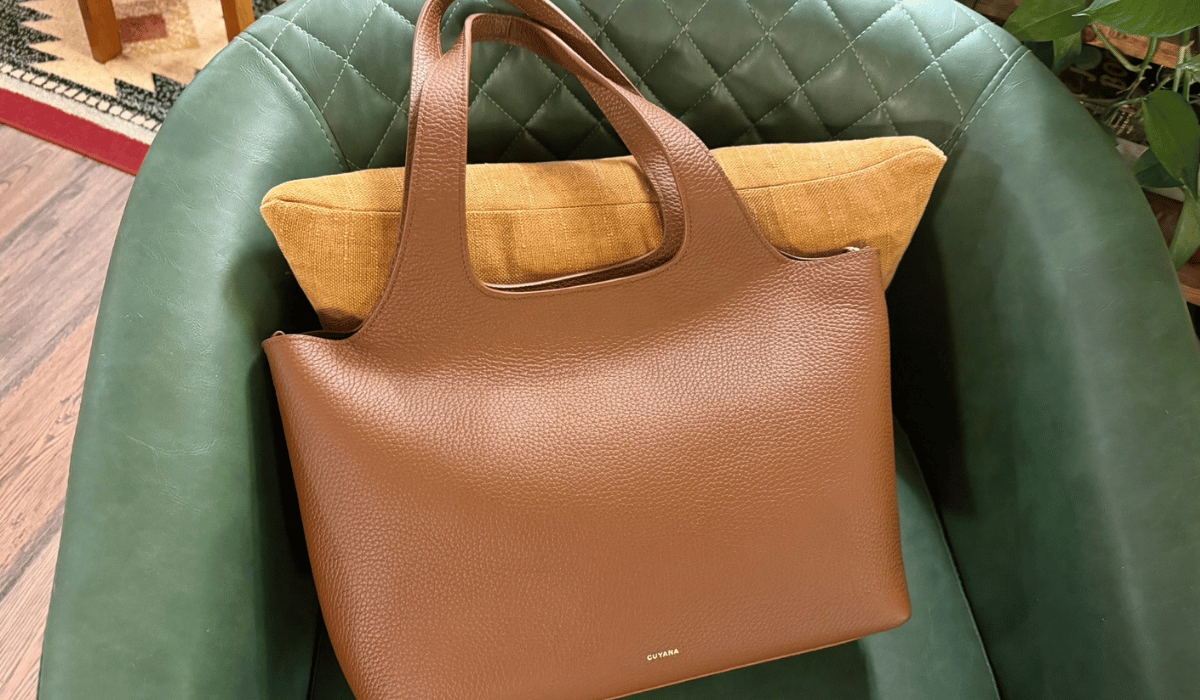
Cuyana is a California-based brand built around the idea of owning fewer, better pieces. That philosophy shows up clearly in its handbag line, where simple leather shapes are paired with practical details and optional organization. The assortment includes work totes, shoulder bags, crossbodies, and smaller handbags, so the brand isn’t limited to one type of bag.
The Classic Easy Zipper Tote is probably the best place to start if you’re coming to Cuyana from Coach. At $328, it sits close to the price of some of Coach’s popular leather bags without requiring a big jump into luxury pricing. It’s a roomy Italian leather tote with a full zipper and enough capacity for a larger laptop, so it covers the kind of everyday work and travel use people often expect from a leather tote.
The zipper also gives it a practical advantage over completely open styles if you’re commuting, flying, or regularly putting your bag under a seat. The interior stays relatively simple, but Cuyana’s snap-in accessories let you add organization when you need it. Instead of building every compartment into the bag permanently, Cuyana lets you add pieces depending on how you use it.
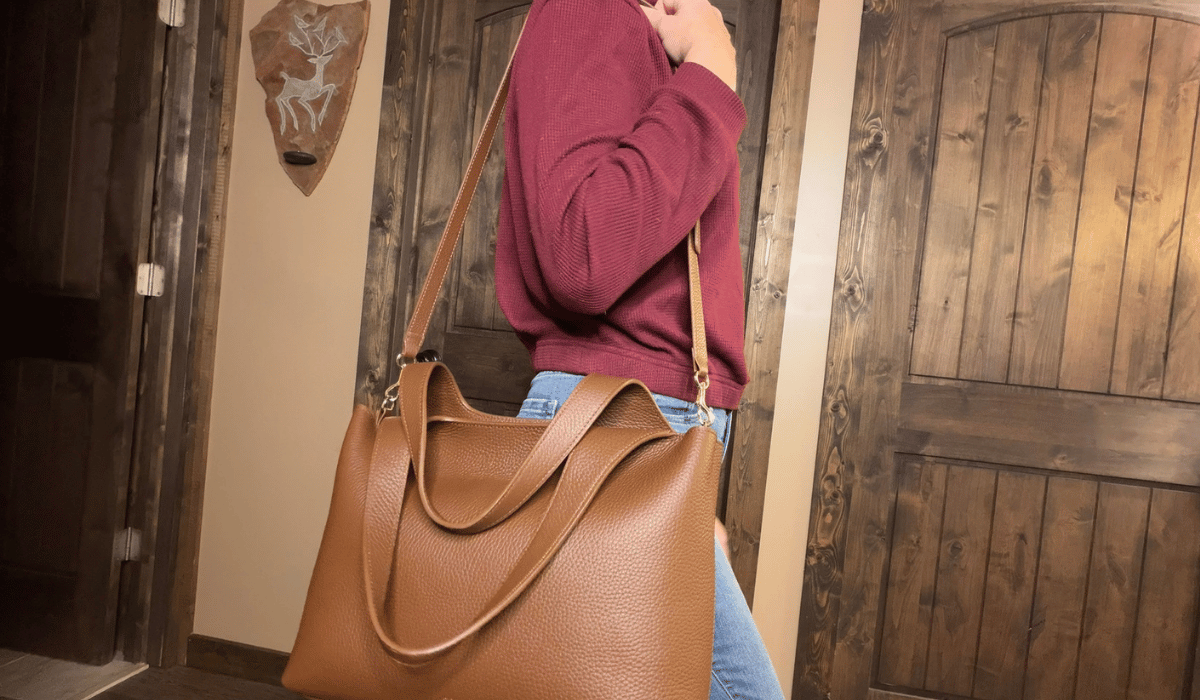
That’s also where my firsthand experience with the brand comes in. I own the 13-inch System Tote in Dark Chestnut, which is a more work-focused Cuyana option than the Easy Zipper Tote. I chose the System because I wanted my laptop bag and regular purse to be the same bag. My 13-inch laptop fits with room for notebooks and the things I’d normally carry in a purse, and I can add one of Cuyana’s Adjustable Straps when I want my hands free.
The System is built more explicitly around modular accessories. A laptop sleeve, organizer pouch, and Flap Bag can snap into the tote, and the smaller Flap Bag can come out and be carried separately. That setup works well when you genuinely need the modular pieces, but the accessories are sold separately, so the total can climb quickly if you’re building out a whole new bag for yourself.
Cuyana has smaller handbags, too. The Double Loop Bag moves away from work-tote territory and toward a more conventional everyday shoulder or crossbody bag while keeping the same clean leather look. Between the Easy Tote family, the System bags, and the smaller leather styles, there’s quite a bit of range without the collection feeling all over the place.
Polène: Parisian Design with More Sculptural Shapes
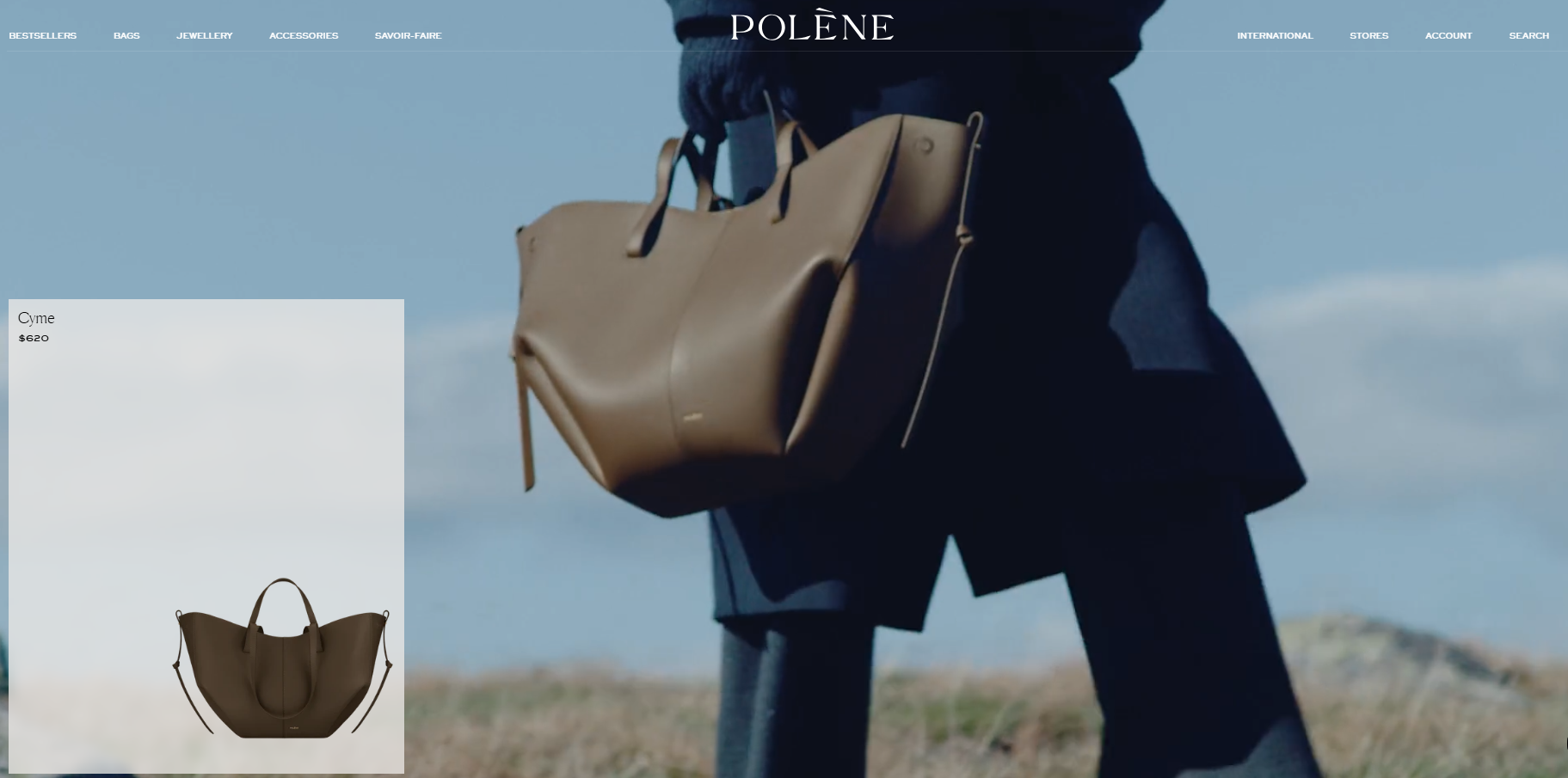
Polène is a Parisian leather-goods brand known for sculptural shapes, curved construction, and leather that’s folded and shaped into much of the design itself. Its bags are produced in Spain using leather from European tanneries, and the collection ranges from soft, rounded silhouettes to more architectural styles.
That makes the brand feel quite different from Coach’s more classic leather-house aesthetic. Polène tends to be more design led, with the shape and construction doing much of the visual work.
The Cyme is a good example. It uses textured Italian calf leather and can be worn with the sides opened out into a wider basket shape or tucked inward for a narrower silhouette. Two handle lengths allow for different ways of carrying it, and the interior has a removable pocket rather than a lot of built-in compartments.
Polène says the center is machine stitched, while some strap stitching is completed by hand. The interior is relatively open, so anyone who likes several separate pockets will probably need to add their own organization.
For something smaller, the Numéro Dix is a curved half-moon bag designed for shoulder or crossbody carry rather than workday capacity, but it still has the same emphasis on shaping the leather rather than relying on a conventional rectangular handbag silhouette.
DeMellier: Polished London Design with European Production

DeMellier is a London-based handbag brand with a more polished and structured point of view. Its bags are made in Europe, and the company places a strong emphasis on Italian leather, responsible sourcing, and keeping its products in use longer.
Gold-toned hardware, structured silhouettes, and specific closures show up throughout the collection, including on the Midi New York, one of the brand’s better-known tote shapes. It’s made from soft small-grain cowhide sourced from Italian tanneries and has an organic cotton lining, magnetic closure, protective feet, and detachable crossbody strap.
Its folded sides make it look roomy, but size is worth checking closely. The Midi fits an 11-inch laptop or iPad, not a 13-inch laptop. The larger version of the bag, the New York, is the better choice if a standard laptop is part of your everyday carry and keeps the same general shape with more room.
DeMellier also offers smaller, more classic handbags. The Vancouver, for example, has a structured flap design with gold hardware across the front. The rest of the range includes top-handle bags, shoulder bags, and totes, so the collection feels polished without every bag looking like a version of the same shape.
Strathberry: Scottish Design at an Elevated Price
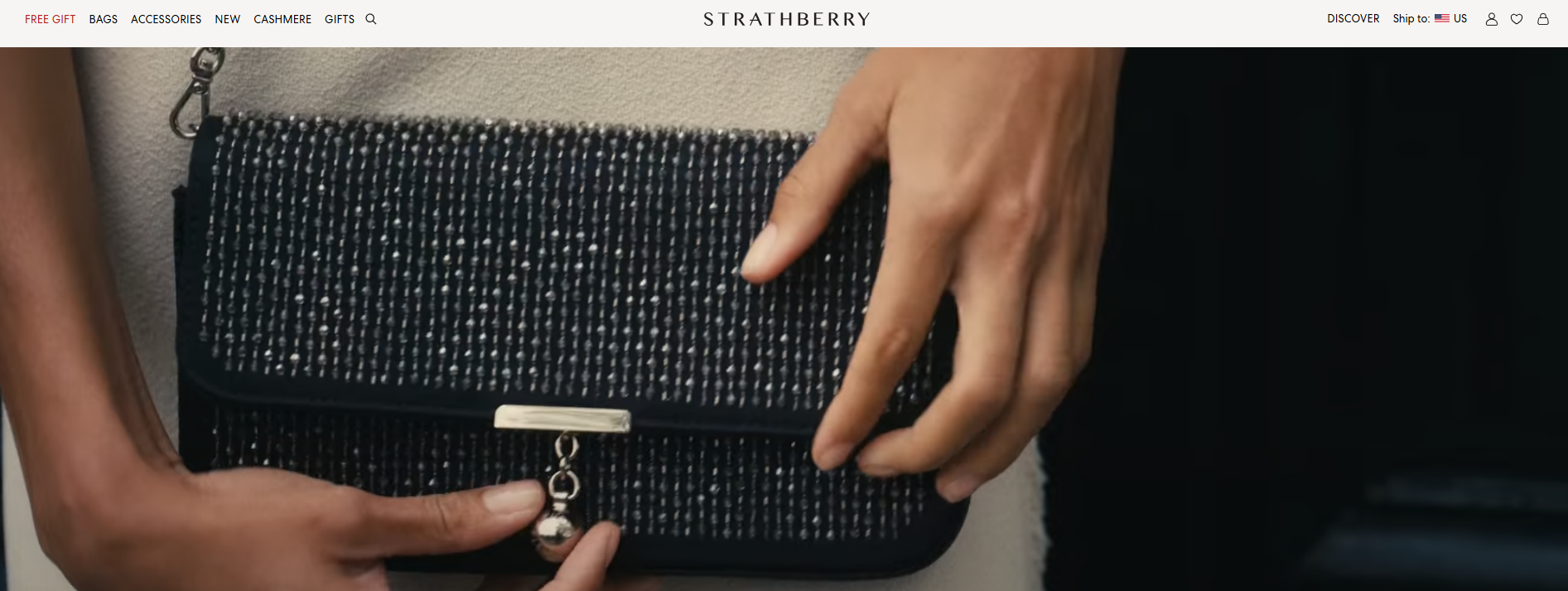
Strathberry is based in Edinburgh, and its handbags are handcrafted in Spain. The collection leans structured and architectural, with clean lines and a signature metal bar that appears across many of its totes, shoulder bags, and smaller handbags.
The brand also sits higher in price than most of the Coach styles we’re using as a baseline. The Mosaic Bag currently sells for $745, so Strathberry is less of a direct price swap and more of a step up into another part of the market.
The Mosaic is made from calf leather and has a structured top-handle shape, detachable strap, magnetic closure, interior zip pocket, and protective feet. It’s also relatively compact, so the higher price isn’t buying you more carrying capacity.
The metal bar carries through much of Strathberry’s assortment and gives the collection a consistent visual identity, even when the shapes change. The brand offers larger totes, smaller crossbodies, and structured top-handle bags, but the overall look stays fairly refined and architectural throughout.
Clare V.: Less Formal and More Playful
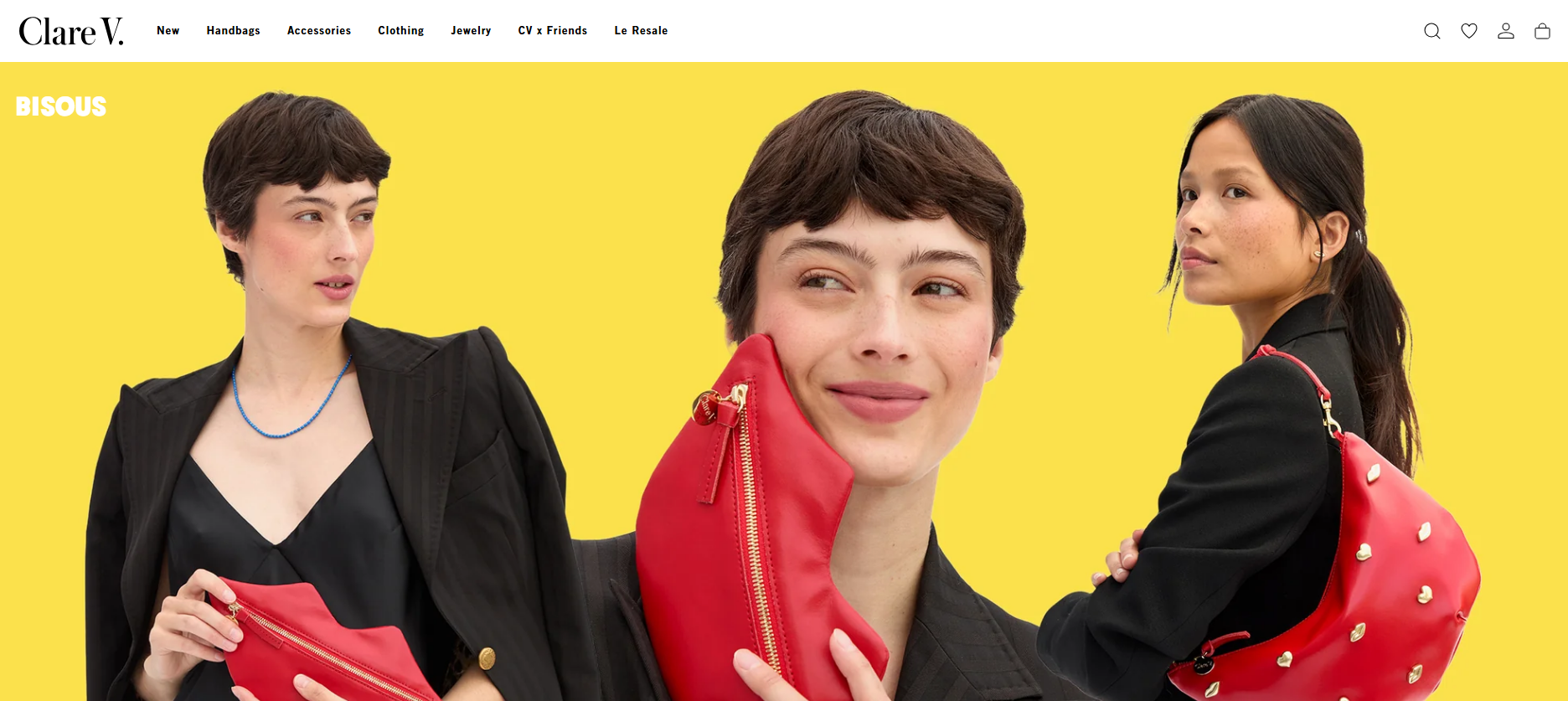
Clare V. takes this comparison in a different direction. The Los Angeles-based brand mixes California ease with French influence, and its bags generally feel more casual and playful than the structured handbags from DeMellier or Strathberry.
Across the brand you’ll see color, woven leather, contrasting straps, graphics, and customization alongside simpler leather styles. The collection has a looser, more relaxed feel than some of the brands associated with the current minimalist handbag look.
The Moyen Messenger is one of its cleaner leather bags. It’s a zip-top crescent made from natural grain leather with room for an iPad, water bottle, and everyday essentials. It includes both a crossbody strap and a shorter shoulder strap, so you don’t need to buy another strap immediately to change how you carry it.
The full zipper is another practical difference from the open and magnetic-close totes elsewhere in this comparison. The interior is relatively simple, with one pocket, so anyone who likes built-in compartments may still need smaller pouches to keep everything organized.
The Petit Moyen carries the same basic idea into a smaller crossbody. Elsewhere in the Clare V. collection, different materials, graphics, and strap combinations push the brand further into the casual, playful side of the category.
Do You Need to Leave Coach at All?
Not necessarily. Coach has plenty of simple leather bags now, so if you already like the quality and the price, there may be no reason to move away from the brand just to avoid a monogram.
Where these other brands start to make more sense is when you want something specific. Maybe you need a tote that works better for a laptop, a zipper instead of an open top, a more structured handbag, or something with a shape you don’t see everywhere. That usually narrows the list faster than the brand name does.
I’d also pay attention to the details that are easy to miss when you’re shopping online. Check the dimensions, closure, strap options, and interior before assuming a bag will work for you. And if you’re spending several hundreds of dollars, it’s worth looking at how the leather is finished and how it will hold up over time.
I still wouldn’t rule out Coach. I just care a lot less about having the recognizable bag now than I did when I was younger. These days, I want something I’m going to carry often, and that usually comes down to how the bag works once I start putting my own stuff in it.