

- Brands Similar to Coach If You Want Great Leather (and Less Logo) - October 8, 2026
- 7 Brands Similar to Longchamp If You’re Ready for Something Different - October 8, 2026
- Zilker Belts Review: Is a Handmade Belt Worth the Price? - September 18, 2026
A belt is simple enough that a big price difference can feel hard to justify. One has a buckle and a strip of brown material for $30, while another looks fairly similar from across the room and costs more than $100. If the more expensive belt is handmade, the fair question is what changed besides the price tag.
I grew up riding horses and working in barns, played polo in college, and still spend a lot of time around horses, so belts in my closet tend to get worked harder than something reserved for an office wardrobe. For years, I bought whatever matched my shoes, wore it until the surface cracked or the favorite hole started tearing toward the next one, and replaced it without thinking much about how often I was doing that.
If you are spending more than $100 on a belt instead of grabbing a cheaper one off the rack, there should be concrete reasons for the difference. Materials, construction, hardware and finishing are the first places to look, followed by how those choices are likely to hold up under the kind of wear you will give the belt.
Start With What the Belt Is Made From
“Leather” is too broad a word to tell you much by itself. Two belts can use it on the product page and still be made from very different materials, so knowing a handful of common terms helps when you are trying to figure out what you are paying for.
- Full-grain leather: Uses the outer grain layer of the hide with that surface left largely intact. It tends to show more natural variation and can soften and develop character with wear.
- Top-grain leather: Also comes from the upper portion of the hide, but the surface is typically sanded, corrected, or finished to create a more uniform appearance.
- Split leather: Comes from a lower layer of the hide after it has been separated from the top grain. It may be coated or finished to create a smoother surface.
- Bonded leather: Uses leather fibers or scraps combined with binders and formed into a sheet rather than one continuous piece of hide.
- Synthetic or faux leather: Usually uses materials such as polyurethane rather than animal hide. Some belts combine fabric, synthetics, and leather within the same construction.
“Genuine leather” tells you less than many shoppers assume. It indicates leather is present, but it does not tell you much about where it came from within the hide, how the belt was constructed, or the quality of the finishing. On a belt priced above $100, one should expect a more specific description of the materials.
If you can shop in person, look beyond the finished front of the belt. Check the backside and cut edge, flex the area around the holes and notice how much structure the strap has. A very thin belt may stretch faster under regular tension, while an extremely thick one can be awkward if it barely fits through your belt loops or feels stiff when you sit in the saddle.
Leather will naturally soften, crease, and pick up marks as it is worn. A coating that begins peeling away is a different kind of wear. I have owned an inexpensive belt that looked like leather when I bought it, then started shedding its surface around the holes within a couple of months. It continued fastening for a while, but the damage kept spreading until the area around the hole started failing too.
Construction Tells You Where a Belt May Fail
Belts usually wear out in a few predictable areas rather than evenly from end to end. The favorite buckle hole stretches, the strap takes a sharp bend where it feeds through the buckle, an edge starts to separate or the section securing the hardware loosens.
The holes take concentrated tension every time you wear the belt, and most people use the same one repeatedly. Over time, a weaker hole can stretch from a circle into an oval and start tearing toward the next one. On a new belt, look for holes that are cleanly cut with enough material around them rather than edges that already appear thin, rough or distorted.
Then turn the belt sideways and look at the edges. A belt made from one main piece of leather and one made from several layers can both hold up well, but layered construction gives you another area to inspect. Gaps between layers, lifting edges, or exposed adhesive before much, if any wear are all reasons to look closer.
Stitching should also stay secure through the parts of the belt that repeatedly bend or rub against loops. Decorative stitching does not necessarily hold the belt together, but thread that is already loose can still snag and unravel. Structural stitching around attachment points has an even harder job, so the backside of the belt can be just as informative as the decorative surface.
For riders, these areas see plenty of repetition. Sitting in a saddle, bending to pick feet, carrying buckets, climbing into a truck, and leaning over gates all put the belt through the same movements over and over. A weak point that might take longer to show up on an occasional dress belt gets a much quicker workout around a barn.
Do Not Overlook the Buckle
A beautifully made leather strap can still be frustrating if the hardware feels cheap or digs into you. Work the buckle through its normal range and see whether it moves smoothly. Then check the hinge and the point where the hardware attaches to the strap.
Weight is only one piece of it. Some good hardware is intentionally light, while a heavy buckle is not automatically better. What you want is hardware that feels appropriate for the strap and does not seem flimsy next to the leather holding it.
Shape starts to count once the belt has been on for several hours. Sharp corners and bulky hardware may feel fine while you stand in front of a mirror, then press directly into your stomach every time you sit or bend forward. Riders have a particularly easy way to test this: sit down in the belt and lean forward as you would in the saddle rather than deciding how comfortable it is while standing upright.
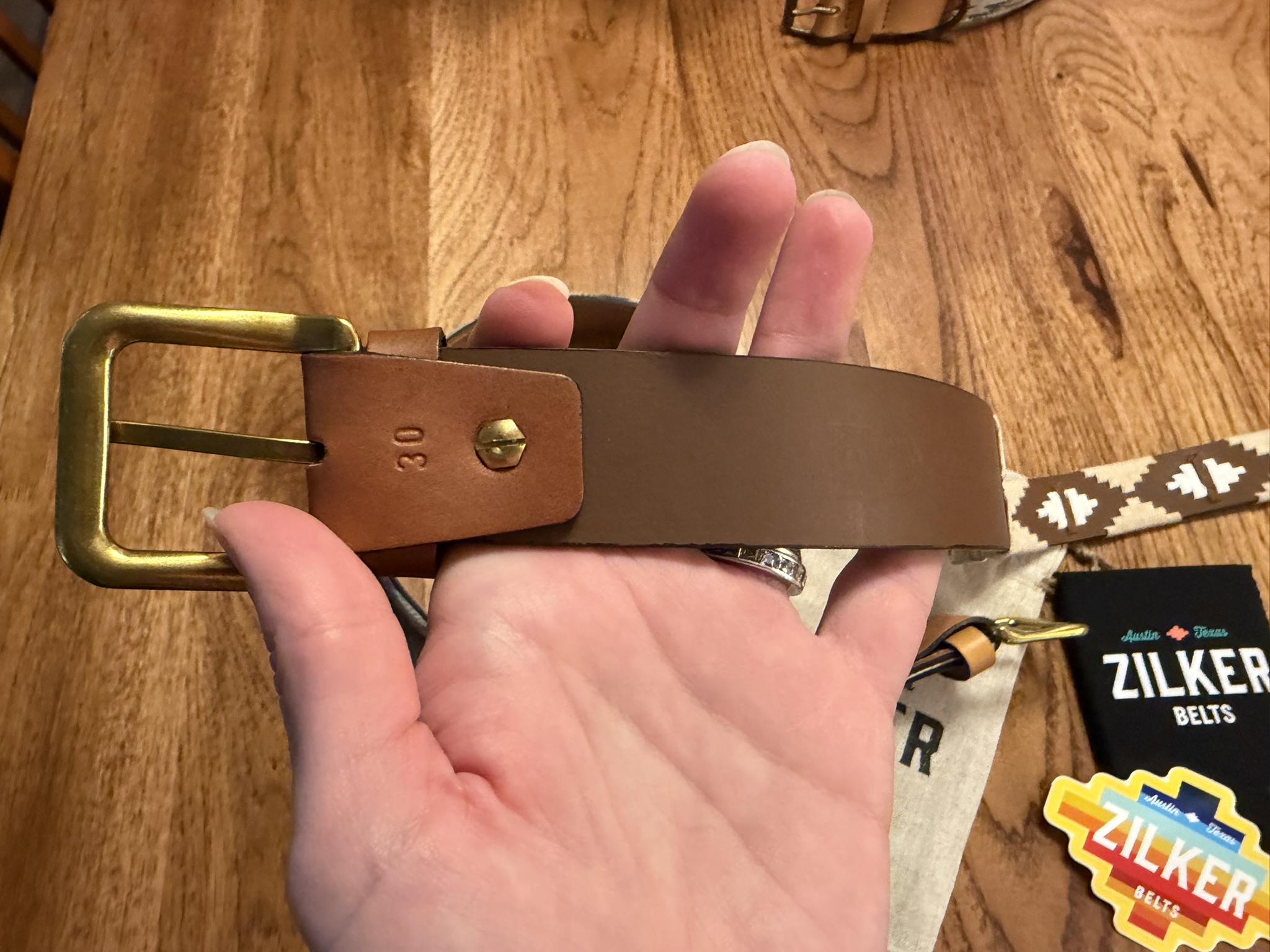
Check how the buckle attaches to the strap, especially if you already own Western, trophy, or vintage buckles. A removable buckle allows you to keep using the same strap with different hardware, whereas a permanently attached buckle limits you to the original setup. Even if you never plan to swap yours, check the screws, snaps, stitching, or other connection holding the buckle in place because that small area absorbs quite a bit of pulling and folding.
Handmade Should Come With Something You Can Inspect
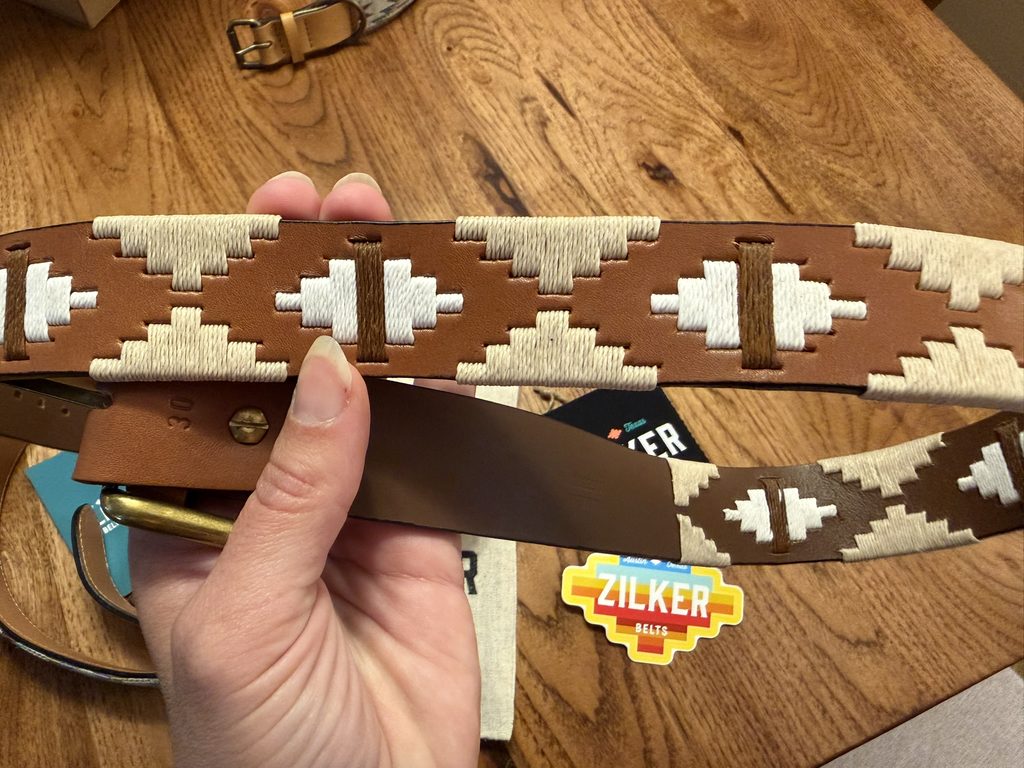
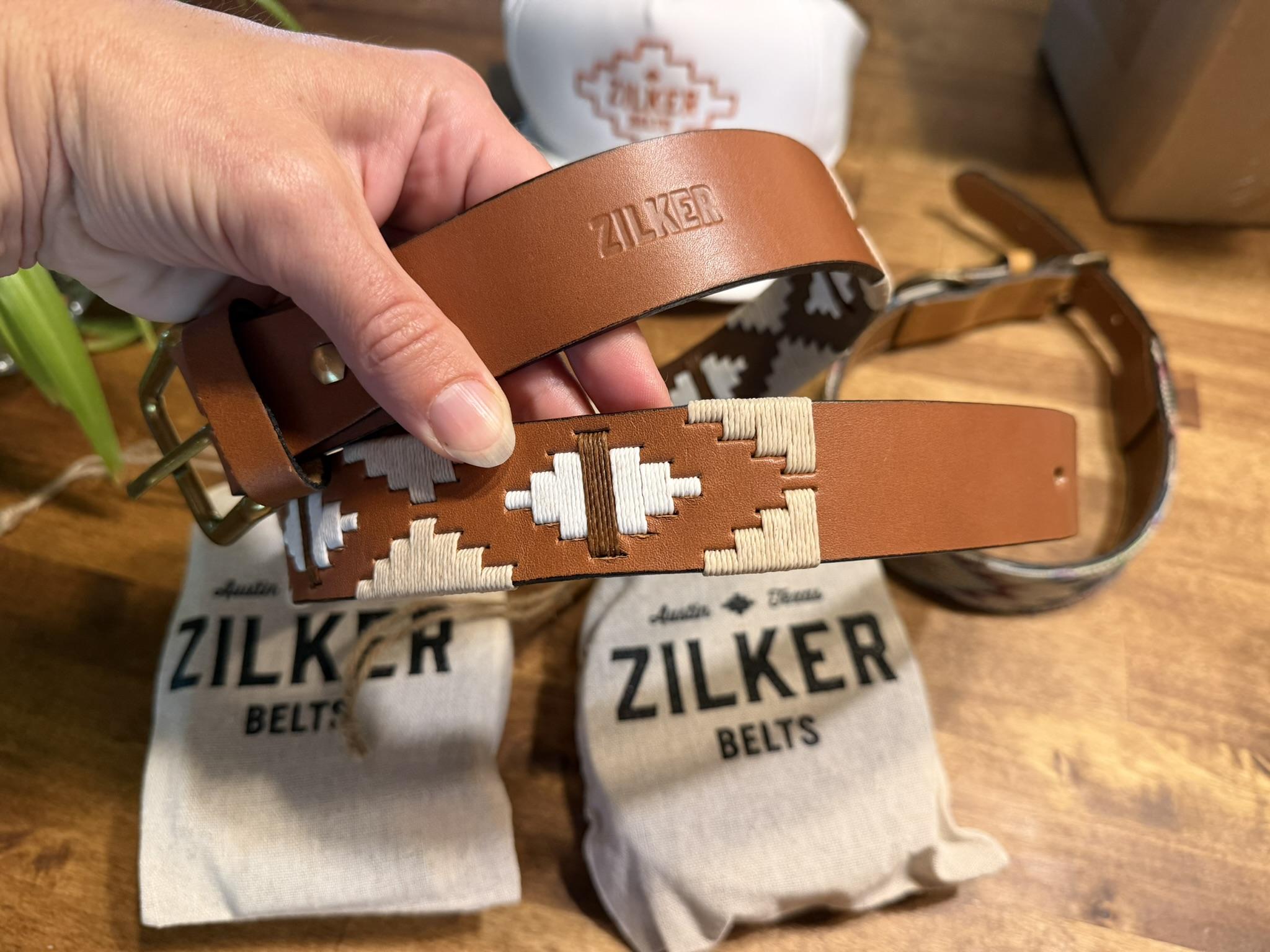
“Handmade” can account for more labor in the price, but the word itself does not guarantee careful work. If a belt costs more because someone stitched, tooled, embroidered, or finished part of it by hand, look closely at the work rather than stopping at the label.
Follow the stitching for a few inches and see whether the thread is properly secured. Look around holes, curves, and edges where the work becomes a little harder to execute cleanly. Small variations can be part of an item made by hand, while loose thread, missed areas or poorly finished edges are separate issues.
The same approach works with tooling and embroidery. An elaborate design may represent hours of work, but it will also be dragged through belt loops repeatedly, so decorative elements need to be secure enough for normal use. With hand-stitched belts, the thread may also become part of the design itself, which lets you inspect the workmanship before you buy rather than relying on the manufacturer’s description of the process.
A Quick Red-Flag Checklist
If you are like me and sometimes don’t have 20 minutes to spend inspecting a belt in the store. These are the things I would check first:
- Vague materials: A higher-priced belt that only says “leather” gives you very little information about what was used.
- Peeling or separating edges: Look for coatings lifting, layers pulling apart or adhesive already becoming visible.
- Thin or ragged holes: The hole you use every day takes concentrated stress, so poor cutting or very little material around it can become a problem.
- Loose stitching: Thread already pulling free before the belt has been worn has plenty of chances to snag as it passes through belt loops.
- Loose or rough hardware: Check the buckle movement and the attachment point rather than assuming the metal will last as long as the strap.
Shopping online makes some of these checks harder, so look for photos that show more than a belt threaded neatly through a pair of jeans. A close view of the edge, backside, holes and buckle attachment can tell you far more about construction.
What I Found in Two $125 Zilker Belts
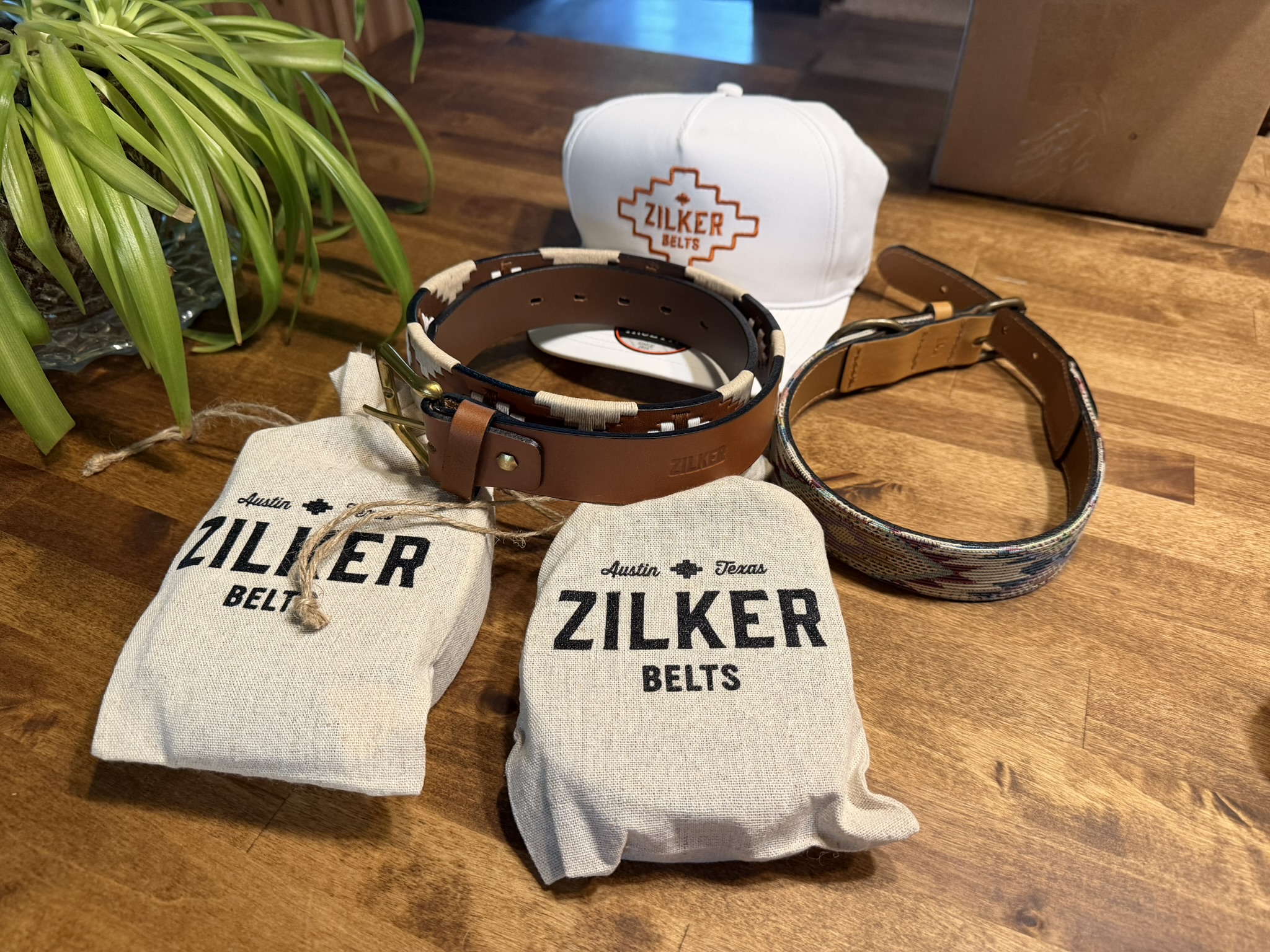
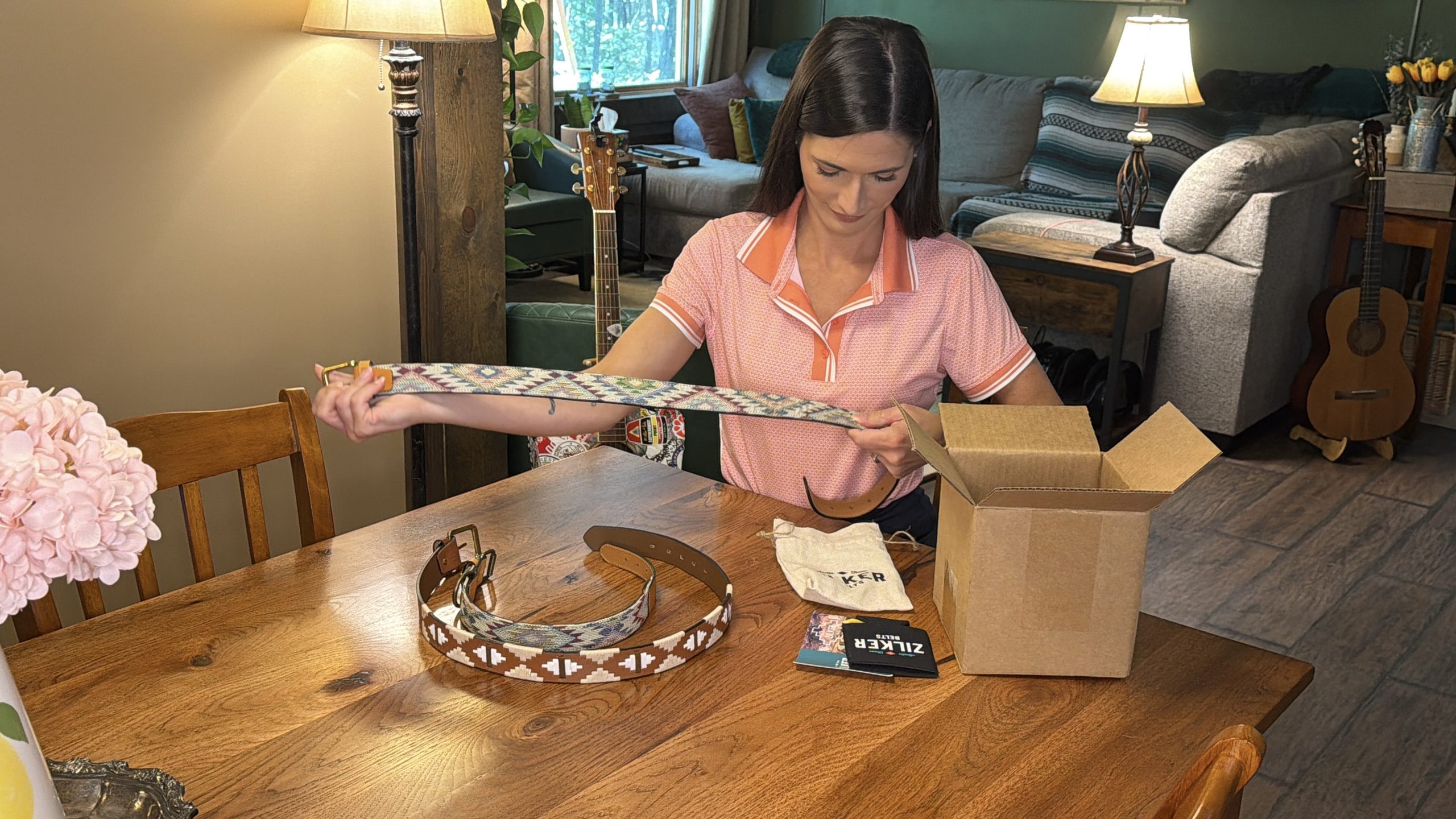
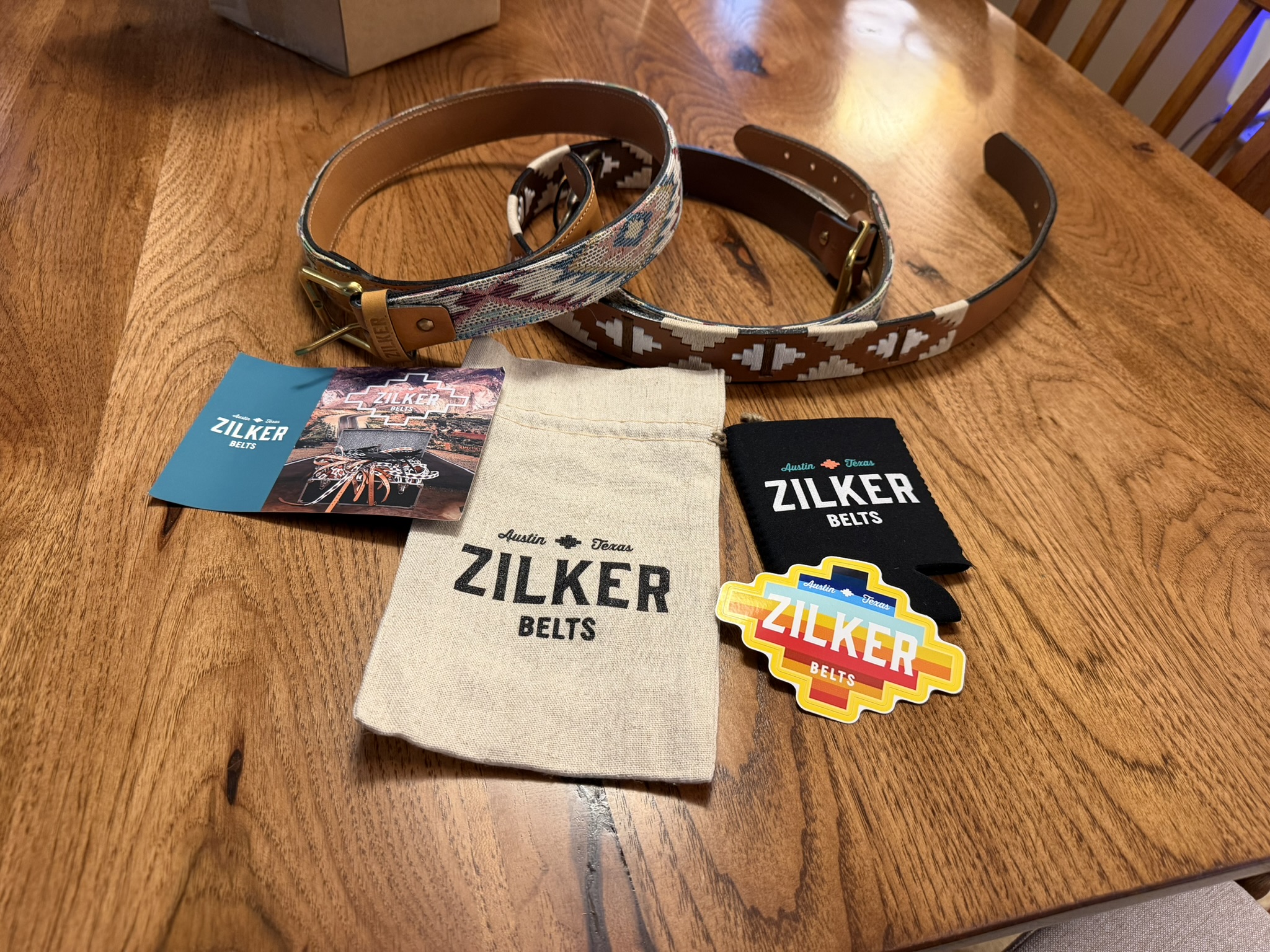
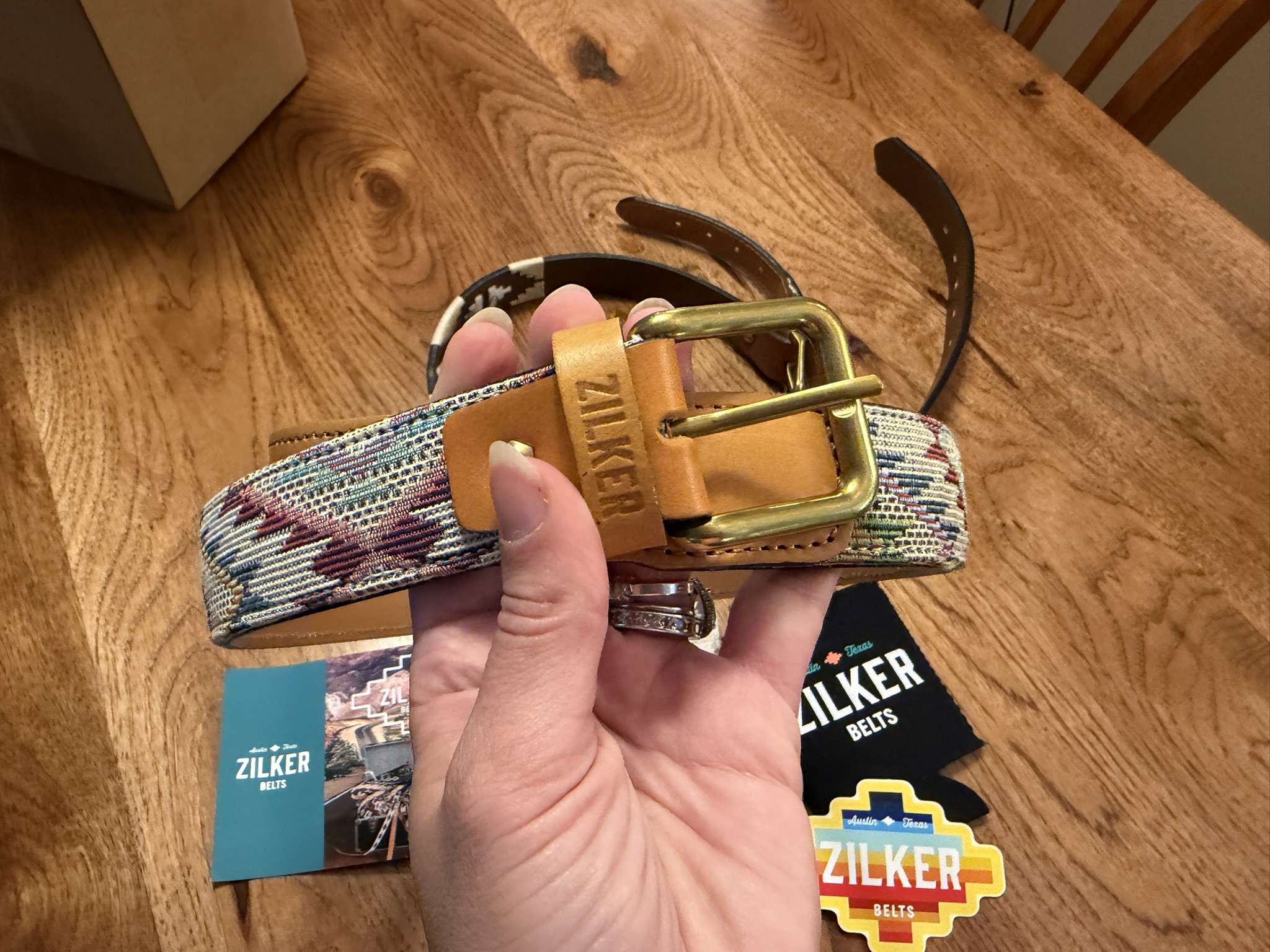
Zilker’s Rancho and Drewski both cost $125, so I used the same criteria on them that I would use on another belt in this price range. Zilker describes its belts as handmade and hand-stitched, although the materials and designs vary from one style to another.
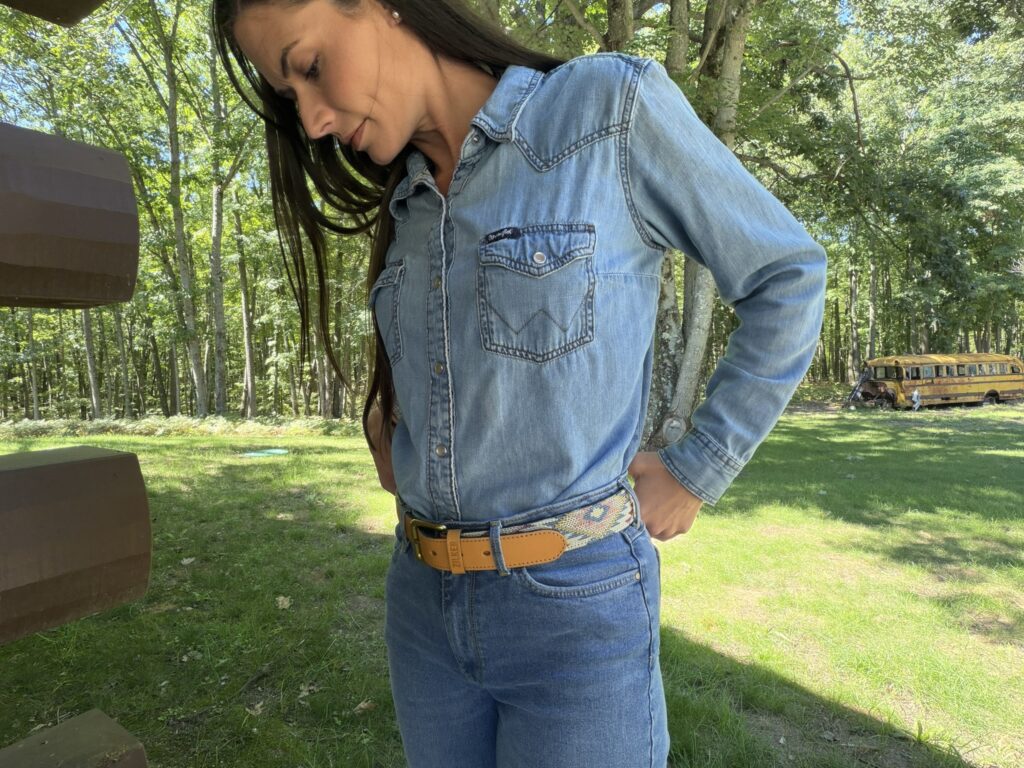
The Rancho is the more traditional leather option of the two I bought. It uses full-grain leather and had noticeably more weight and structure than the inexpensive belts I had been accustomed to wearing. It was fairly stiff straight out of the package, but after a day around my waist it had already started relaxing without becoming floppy or losing its shape.
The Drewski has a different construction, using Argentine fabric backed with Argentine leather. The colorful stitching and fabric are part of why I picked it, because I wanted something with more personality than just another plain brown belt. Up close, the stitching is substantial enough that you can inspect the work itself, including how the thread sits against the fabric and leather.
I also paid attention to the hardware once I started wearing them. The buckles have some weight without pulling noticeably on my pants, and the smooth edges have been comfortable when bending over. Both buckles are removable, so I can use other hardware later rather than being tied permanently to the buckle that came with the belt.
I have only had the belts for a short period, so I cannot make a five- or ten-year durability claim from early testing. I can judge the leather and fabric, stitching, hardware and how each belt has responded to normal bending and wear so far.
Compare Cost Per Year, Not Just Sticker Price
A cheap belt stops being cheap if you keep replacing it. If you spend $30 on a new belt every year, five years costs $150. A $125 belt that stays in service for those same five years comes out to $25 per year, with the break-even point arriving a little after year four. If it lasted ten years, the purchase price would average $12.50 per year.
Those numbers are only examples because no price guarantees a certain lifespan. Your own replacement history is more helpful. If your $30 belt has already survived six years and still looks fine, spending $125 probably will not save you money. Someone who goes through a $30 belt every year or two because the holes stretch, the coating peels or the hardware comes loose has a very different calculation.
Cost per year is more practical here than trying to track every wear. A belt worn around a barn might be put on hundreds of times in a year, while a dress belt in someone else’s closet may come out six times. Tracking every wear does not add much; knowing that you have replaced the same type of belt three times in five years does.
There is also some gray area between a belt being broken and being dependable. A strap may still fasten after the coating starts peeling or a hole begins stretching, but if you are checking it every morning because you are no longer sure how much longer it has, you are already shopping for its replacement.
Style can factor into the price too. A belt that lasts 15 years but stays in the closet because you do not enjoy wearing it was not necessarily a smart purchase. Someone who likes tooling, embroidery, colorful hand-stitching, or being able to use a favorite Western buckle may reasonably pay for those details, while someone who needs a plain black belt twice a year probably has little reason to spend $125.
When Spending More on a Handmade Belt Makes Sense
If your inexpensive belts already last for years, buying an expensive handmade one probably is not going to save you money. The calculation looks different if you have already replaced several cheaper belts in the last few years.
After wearing the Zilker belts, I understand their $125 price better than I did looking at them online. The Rancho has the heavier leather feel I wanted, while the Drewski gives me more color and visible handwork, and I like having hardware I can change later. I would replace either one if I lost it, although I would still tell someone who barely wears belts to keep the $125.
There are plenty of jobs for baler twine around a stable. Keeping your pants up does not need to become another one.